

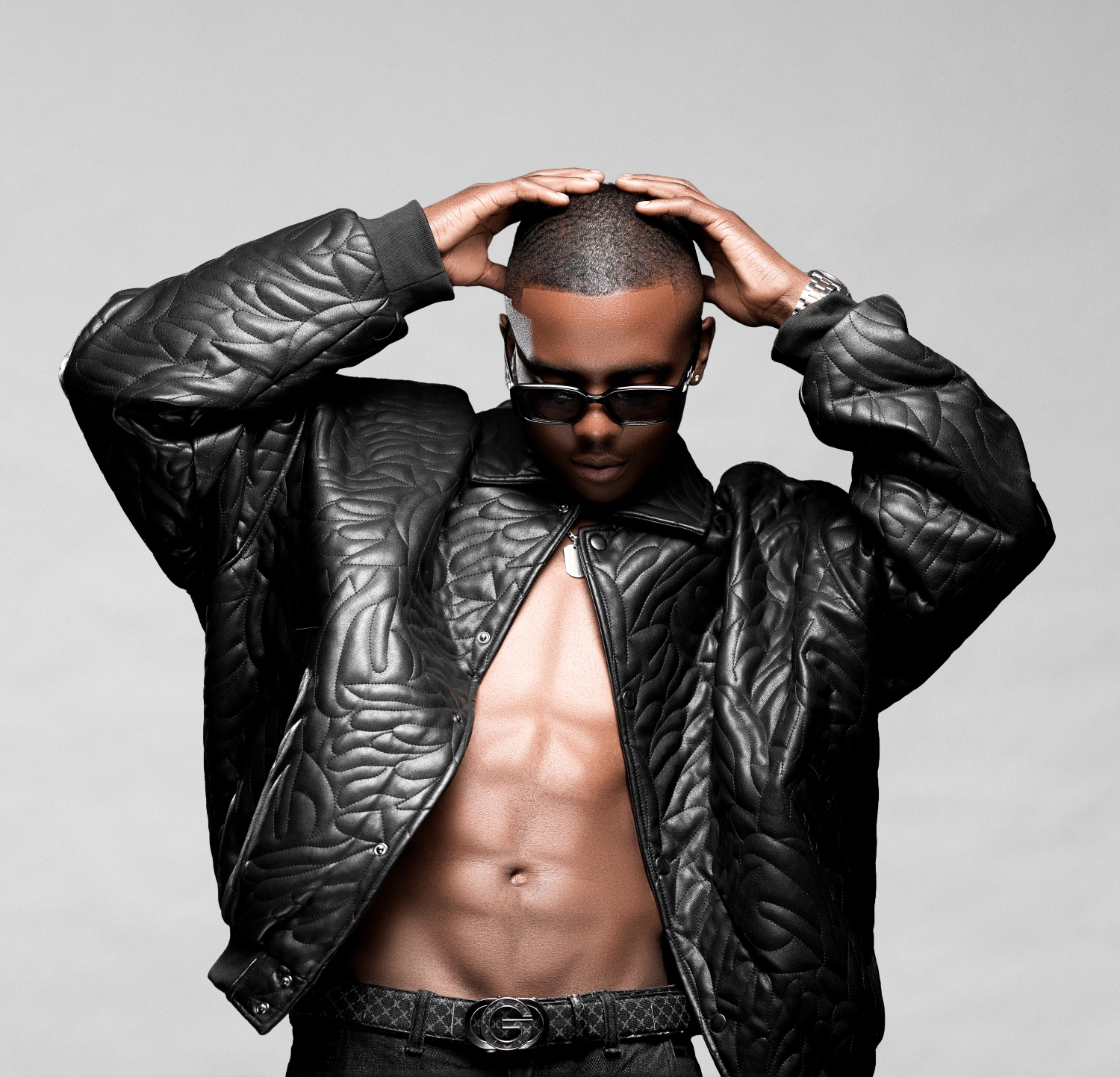
Unplugged With Smaki 08 | Interview
Emerging from the townships of KwaNdebele in Mpumalanga, 24-year-old Smaki 08 has quickly established himself as one of Amapiano’s most distinctive new voices. A double-platinum artist, producer and DJ, Smaki 08 is known for his soulful, private-school piano style, self-taught on a borrowed PC before rising to collaborate with the genre’s leading figures. His breakthrough single ‘Lutho’, created with DJ Jaivane, Wesley Keys and De Rose, achieved double-platinum status, surpassed 20 million streams, and topped South Africa’s Amapiano charts, earning nominations for Best Amapiano at the 2026 Metro FM Music Awards and Record of the Year at SAMA32.
Regular collaborations with Kabza De Small, Mick Man, Russell Zuma, Sipho Magudulela, Sino Msolo and DJ Jaivane, including the charting joint EP Isithembiso and standout tracks like ‘Umzila’, have solidified his influence within the scene. His 2025 debut album Maphefo and the 2026 project Amazwi Omdabu (Messengers Of The Ancestors) with Busta 929 reflect an artist in constant evolution. With packed performances at BD Lifestyle and an expanding live presence across Mpumalanga, Smaki 08 bridges township heritage and national acclaim.
In the following conversation, he discusses his journey, his collaborators, and the path ahead.
Listen to Smaki 08’s Valentine’s Selection:
Hey, thanks so much for sitting down with us today – what’s been the absolute best part of your week so far, music aside?
It’s my birthday month, which is always special for me. The “08” in Smaki 08 comes from August, so this time of the year always feels personal. I’ve just been enjoying being around family, reflecting on how far things have come, and appreciating the people who have been part of the journey.
Which genres best describe your music, and is there any particular reason you chose to create music in that genre?
Amapiano is definitely the foundation, but I’m especially drawn to the deeper and more spiritual side of it like the street subgenres like ‘Private School Piano’ and ‘Kwapi’. I like music that feels emotional and atmospheric, not just functional for the dancefloor. I never really chose the genre because it was popular. It was simply the sound that gave me the most freedom to express emotion, rhythm and soul in the same space.
If someone wanted to understand your real vibe as an artist beyond the music, what’s one story from your everyday life that says it all?
I’m actually quite simple outside music. I spend a lot of time around family, close friends and people I trust. I think that says a lot about me because even as things grow professionally, I still value normality. I enjoy being around people who knew me before the music became serious. It keeps me grounded and reminds me that the person matters before the artist.
What’s the wildest creative risk you’ve ever taken in the studio that actually paid off in ways you never saw coming?
Probably trusting simplicity more. There have been times in the studio where the instinct is to add more, more instruments, more layers, more ideas, but some of the strongest music has come from removing things and allowing the emotion of a vocal or melody to carry the song. Learning not to overcrowd a record has changed the way I produce.
How often do you hope to release new music?
I want to release consistently, but not for the sake of feeding an algorithm. The goal is to always have something meaningful in motion, whether it’s a single, collaboration or larger body of work. I’d rather release less music that I genuinely believe in than put out songs simply to stay visible.
What is the date of your next planned single/EP/Album release?
My next major solo project is the Bahlengaye EP, which is scheduled for release on 9 October 2026. It is named after my grandmother, who raised me, and it is probably one of the most personal bodies of work I have made. The lead single on that project will be released on the 18th of September 2026.
What is your main platform for distributing and promoting your music?
My music is distributed digitally through our label and distribution partners across all major streaming platforms. In terms of promotion, Instagram, TikTok, YouTube, radio, editorial media and live performances all play different roles. I don’t really believe there is one platform that can carry an artist anymore. You need an ecosystem.
If you could change one thing about the modern music industry overnight, what would it be?
I would improve transparency around ownership, royalties and accounting. A lot of artists understand how to make music long before they understand the business structures around it. By the time some artists learn how rights and revenue actually work, they have already signed away or neglected value they cannot easily recover.
Do you see AI as a threat to musicians, a helpful collaborator, or something else? How do you plan to keep your music relevant as the industry changes rapidly because of these tools? By embracing AI, avoiding it, or taking a different approach?
I see AI mainly as a tool. Every major technological change creates fear at first, but the bigger question is who controls it and how it is used. I’m interested in using AI for efficiency, research of facts, visual concepts but have not begun testing its capabilities in my creative process. I don’t think it should replace the human that makes music meaningful. The line for me is ownership and consent. A real artist’s voice, sound and work should never be exploited without permission.
What is the single biggest challenge you currently face as an African artist?
Access to infrastructure at the same level as the talent. Africa has incredible music and culture, but artists still deal with gaps in touring infrastructure, administration, marketing capital and international access. The talent is already global. The systems around the talent are still catching up.
What core themes were you hoping listeners would connect with in your latest track?
The music I’ve been making recently deals a lot with relationships, gratitude, vulnerability and the realities people experience emotionally. My last solo release was my album “Maphefo” named after my late mother. It carried a sonic depth that I have been holding on to for a very long time. I’m interested in making records people can dance to, but also records where somebody can hear a lyric or melody and feel like it understands something they have lived through.
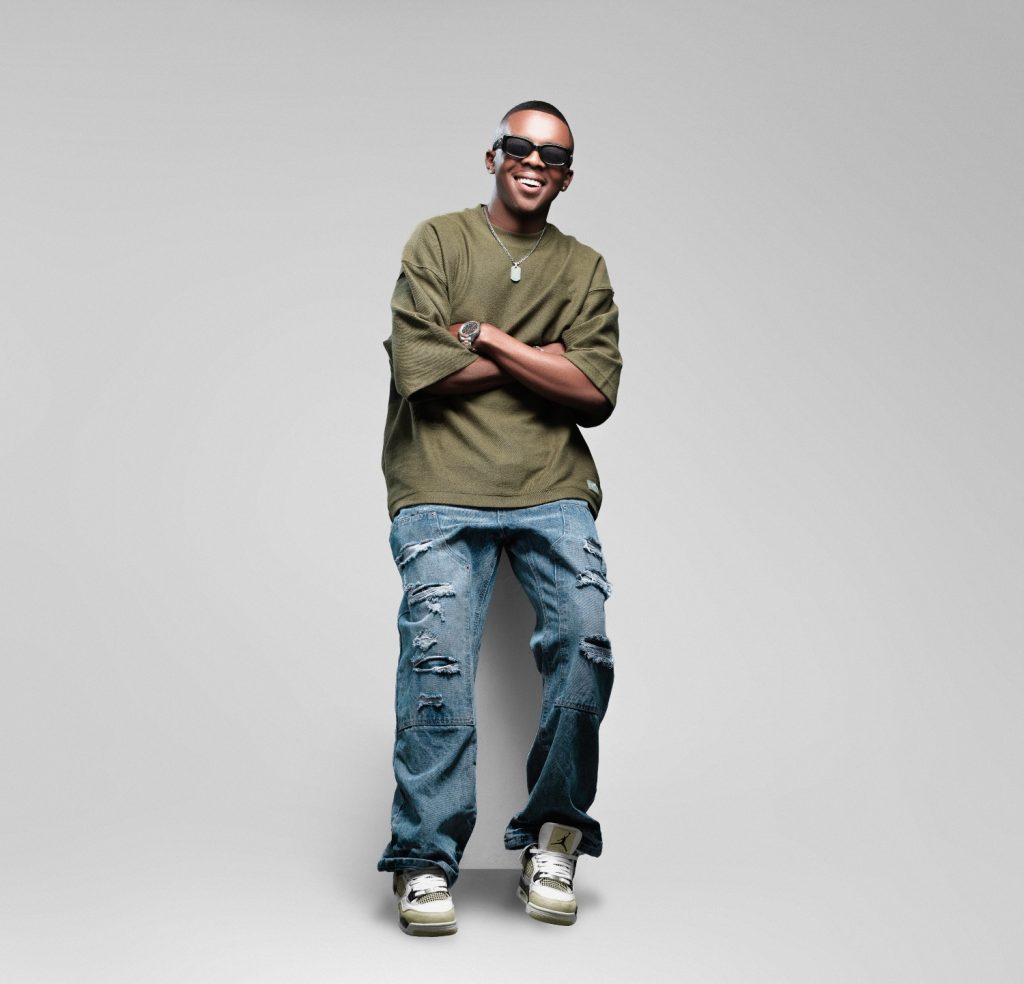
What is your dream collaboration whether it be local or international and why?
Internationally, I would love to work with artists who understand emotion and musicality beyond genre boundaries. Someone like Drake, Burna Boy or Tems would be interesting because they can move between commercial music and emotionally strong records. Locally, there are still many South African artists I respect and would love to create with. For me, the collaboration has to make musical sense and challenge me.
What does your creative process look like when you head to the studio to work on a new track?
It usually starts with feeling rather than a formula. Sometimes it is a chord progression, sometimes drums, sometimes a vocal idea or something somebody says in the room. I build around whatever has the strongest emotion. I also like creating with other musicians because collaboration can take a song somewhere you would never have reached alone.
If you could revisit one decision from your artistic journey and do it differently, what would it be?
I would have learned the business side of music earlier. When you start, you think the music is everything, but contracts, publishing, master ownership, credits and relationships determine what happens to that music years later. I would still make the same music, but I would have asked more questions much earlier.
What is your favorite song that you have made and are there any special moments with that song you can share with us?
‘Lutho’ will always be special to me because of what it became and how far it travelled. You can never fully predict which song is going to connect with people at that level. Seeing listeners make it part of their own lives was probably more meaningful than the numbers. It changed a lot for me professionally, but it also reminded me why you have to trust the music first.
What’s one unexpected influence, maybe from outside music, that keeps showing up in your work?
Family. A lot of the way I think about music comes from observing relationships, sacrifice, love and the way people carry each other through difficult situations. Those things keep finding their way into the music, even when I’m not deliberately trying to write about them.
What’s one fun or ridiculous moment from the studio or road since this release that still makes you smile?
There are always moments where you’ve been working on a song for hours and everybody becomes convinced that one tiny sound is either ruining the entire record or is the greatest idea anybody has ever had. Then you listen the next morning and realise nobody outside that room would ever have noticed it. Those moments remind you not to take yourself too seriously and submit to the process. We try to control too much and stray off the flow state.
Stream ‘Lutho‘:
You may also like
Rema’s ‘Oh No’ Ushers in a Bold Era for Global Afropop
(Image Credit: thinkakanni) Rema returns with his latest single, ‘Oh No’, following the release
AZEKEL shares latest track from his forthcoming debut album ”Don’t Wake The Babies”
East London born singer, producer and multi-instrumentalist Azekel has shared a second track from hi
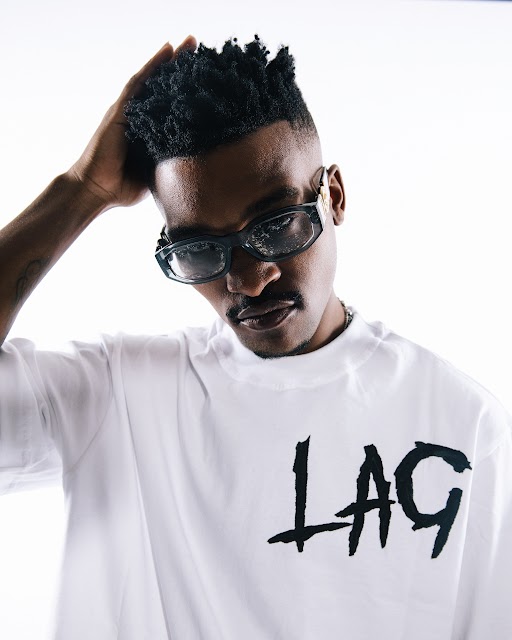
DJ Lag’s ‘Woza’ Redefines 3-Step with Gqom Roots
(DJ Lag / Courtesy PR) South Africa’s DJ Lag, the undisputed architect of gqom, dropped his electr



Post a comment