

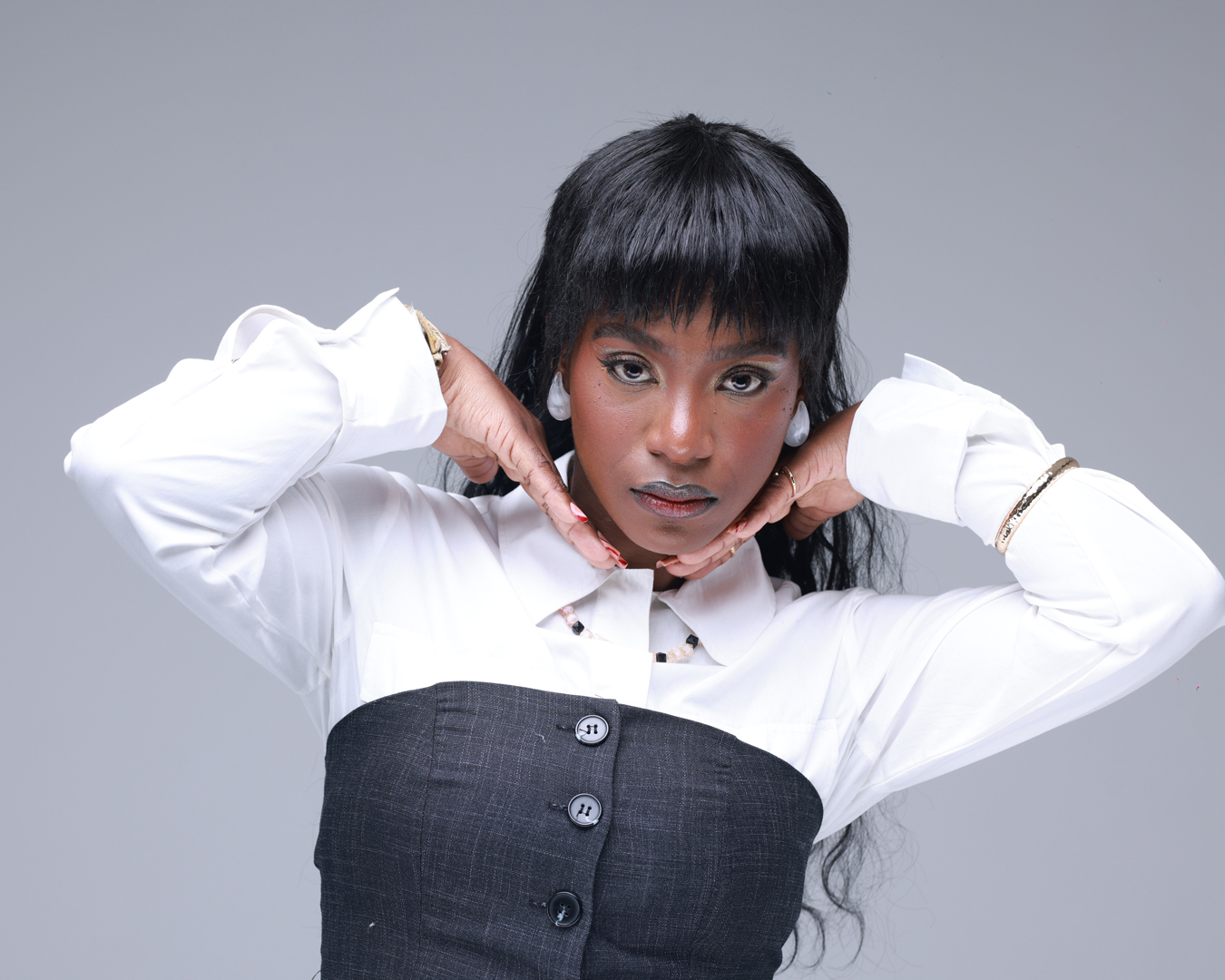
Nana Atta Speaks on Authenticity, Genre Freedom, and Finding Your Own Voice.
Few artists move as effortlessly between genres as Nana Atta. Whether she’s delivering soulful R&B, infectious Afro-pop, Afro-house, or Afro-tech, the KwaZulu-Natal-born vocalist and songwriter has built a career on refusing to be confined by expectations.
With more than 15 years in the South African music industry, Nana Atta (Sinenhlanhla Mthembu) has established herself as one of the country’s most versatile creative voices. Her powerful songwriting and unmistakable vocals have led to collaborations with acclaimed artists including Zakes Bantwini, Sun-El Musician, Da Capo, Mo Black, Thandi Draai, K.O., and many more.
Previously signed to Universal Music South Africa, Nana has celebrated chart success both as a solo artist and featured vocalist. Her contributions to songs such as ‘Osama’ by Zakes Bantwini & Kasango and ‘iMali’ by Karyendasoul & Zakes Bantwini helped cement her reputation as one of South Africa’s standout vocalists. Today, through her own independent label, Atta Girl Music, she continues to carve out her own creative path while preparing for the next chapter of her career.
We caught up with Nana Atta to discuss her creative process, songwriting, dream collaborations, the importance of remaining authentic in today’s music industry, and why artists should never allow themselves to be boxed into a single genre.
Listen to ‘Nana Atta DJ Mix July 26’ while reading the interview below:
How would you describe your musical style and the genres or subcultures that most influence your sound?
I’d say my music is soulful and ventures through multiple genres such as Afro-house, R&B, and pop.
Music Creation: Describe the primary setting or environment where your music is conceived. Is it a chaotic, overstimulating studio, a minimalist digital space, a rehearsal room, or a more isolated location?
I prefer a minimal digital space, but I work just as well in any environment. I think it’s important to adapt and not settle for comfort.
When you create, what leads the way – a feeling, a story, or the sound itself?
It really depends on what comes first. If an instrumental already exists and makes me feel a certain way, then I’ll build the story around that emotion.
What’s in your toolkit? Share the gear, gadgets, or software you can’t create without.
I need a decent recording microphone – preferably a U87 – my laptop, and a hard drive.
Are there any unexpected or dream collaborations hidden in your work?
Most definitely. I’m looking at working with some artists in the United States, and because I also work extensively as a songwriter, there are always unexpected collaborations on the horizon.
Any side projects you’re working on?
Yes! Because I’m able to move across multiple genres, I often find myself multitasking between different projects. I’m currently working on several side projects, some for myself and some for other artists.
Who’s an emerging artist you think deserves more recognition right now?
There’s an artist called Yarah Lerah. She’s an amazing vocalist, and I think she’s got something really special to offer.
What role does ‘rebellion’ or ‘counterculture’ play in your music? Are you aiming to challenge commercial norms, sonic structures, or societal expectations?
I think being an artist who refuses to be defined by a single genre means rebellion naturally plays a significant role in my music.
I believe in authenticity. We can’t all be grouped together or forced to sound the same as artists. Creativity has no limits, and I think artists are rebellious by nature.
Who is one non-musical artist (e.g., fashion designer, visual artist, film director) whose work feels sonically synonymous with your sound?
Kyle Lewis. He’s a South African film director, and I think he’s brilliant.
What aspects of your artistry feel most important to you, for example your sound, visuals, storytelling, or live performance style?
I think they’re all equally important because each one plays a unique role in transporting the story I’m telling through my music.
The Future: What is the most exciting and the most terrifying technological development impacting the music industry right now?
I think we can all agree that AI has shaken our industry quite a bit.
How would you describe the live music environments you feel most connected to? Are you drawn more to the energy of massive festival stages, the intimacy of underground warehouse parties or DIY venues, or a mix of both?
A mix of both. I love the energy of large stages, but I also appreciate the intimacy that smaller spaces can create.
Famous last words?
In all the chaos, remember to take good care of your mental, physical, and spiritual health.
Follow Nana Atta:
YouTube – Spotify – X – Facebook – Instagram
You may also like
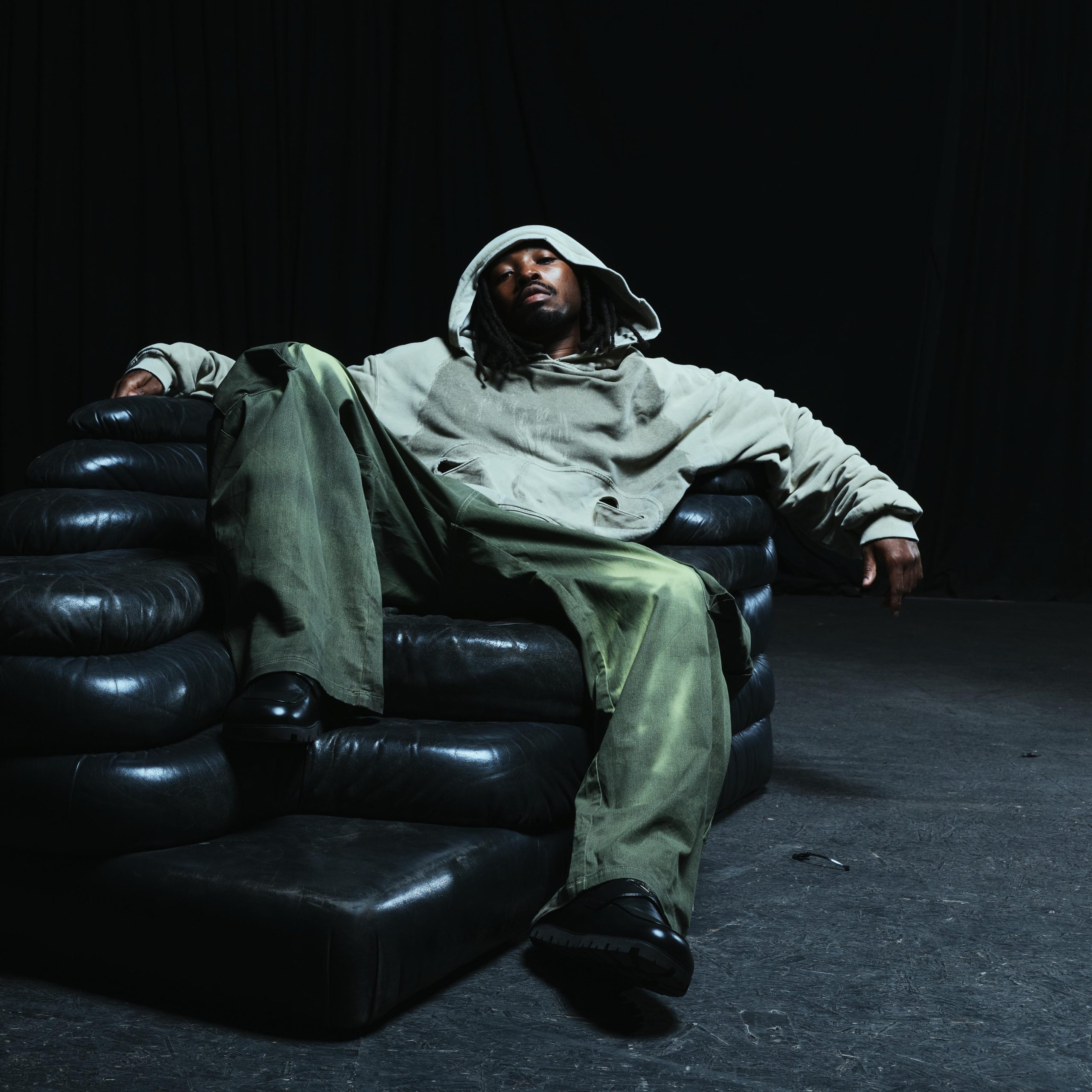
Mez Confirms Debut Album Electric Future Gangster, Drops ‘Platinum Fubu’ With UMI
GRAMMY-nominated artist Mez is set to release his debut album, Electric Future Gangster, on November
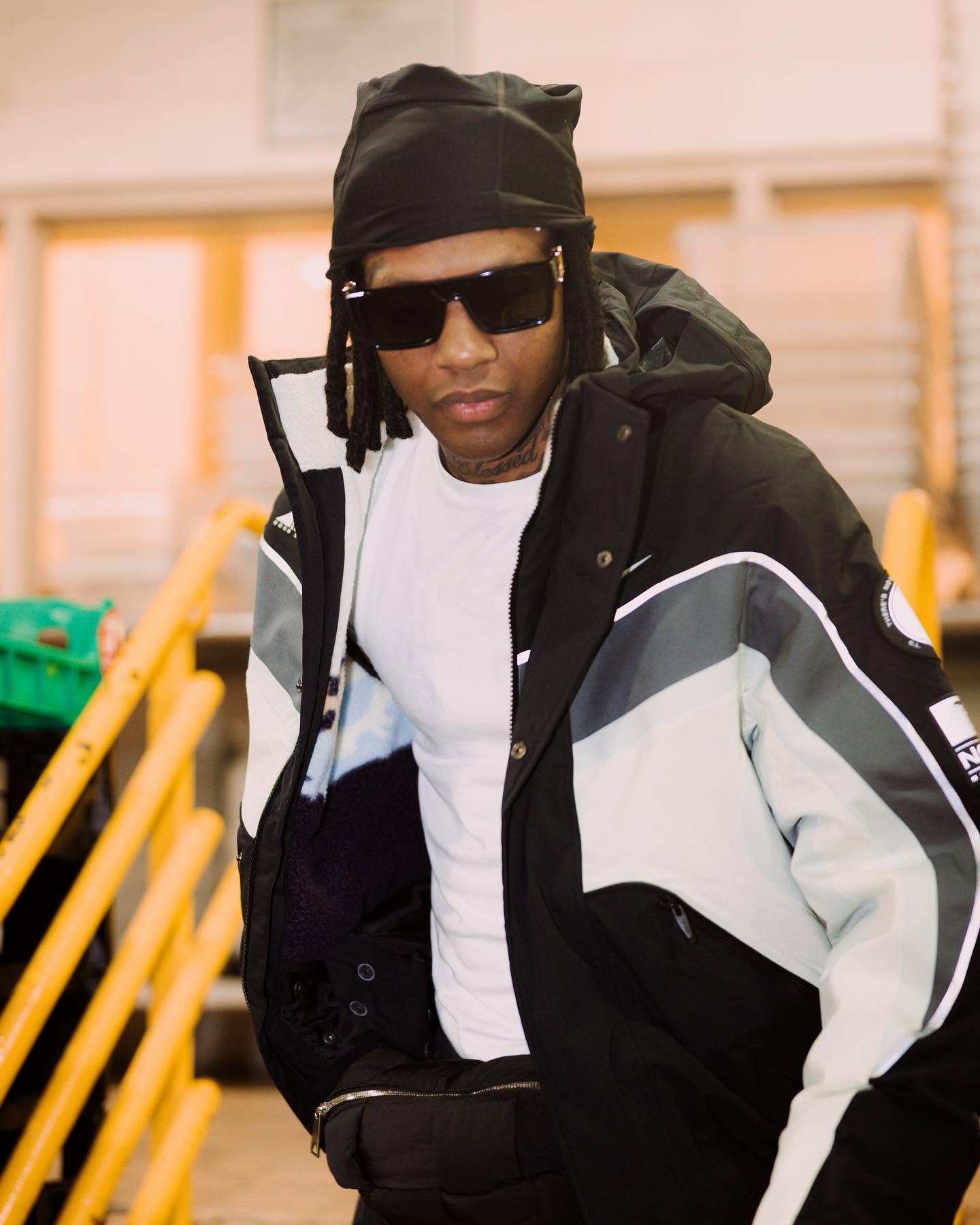
Lil Durk Cleared on All Counts in Federal Murder-for-Hire Trial
Lil Durk was acquitted of all charges on September 11, 2026, concluding a Los Angeles federal trial
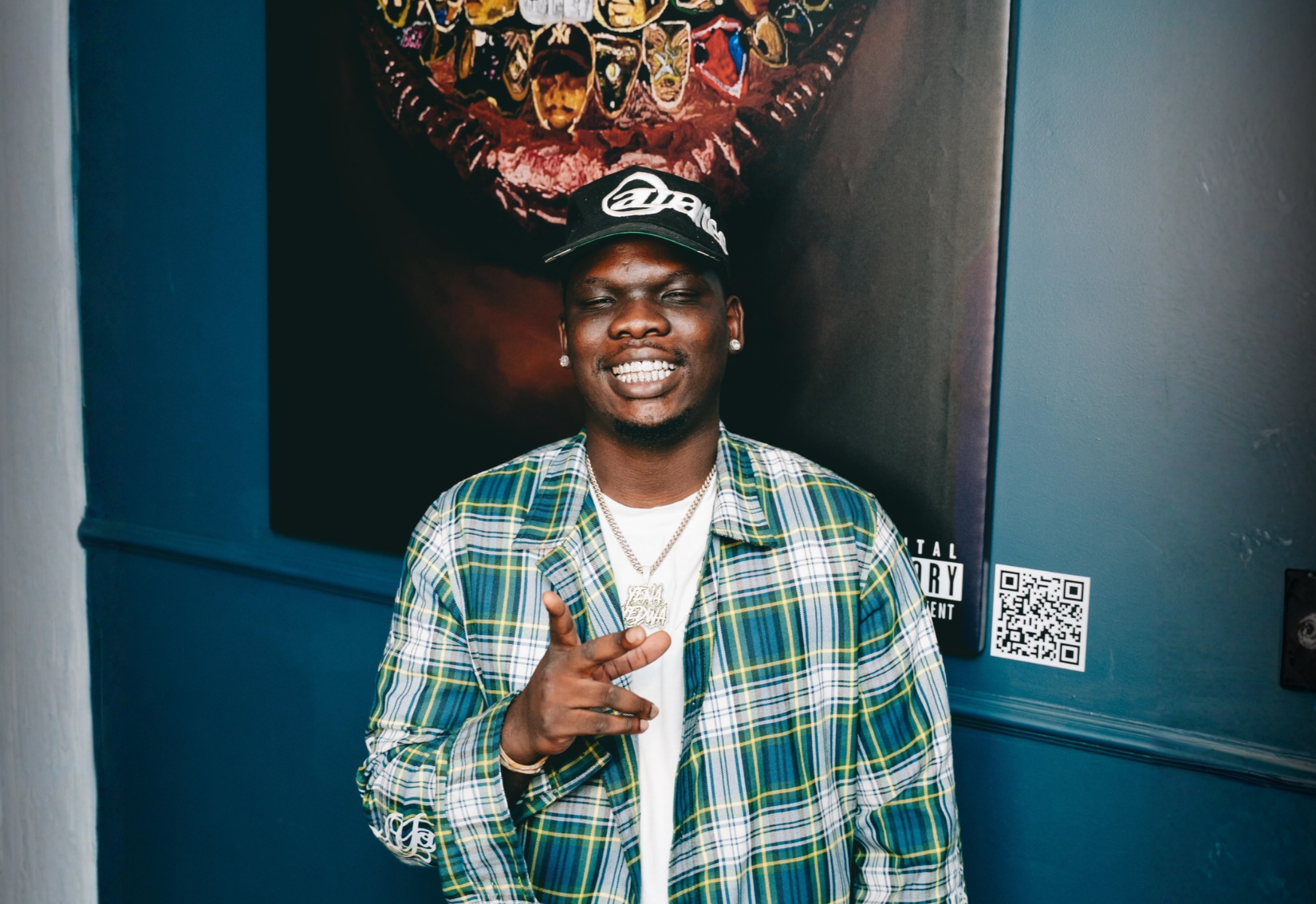
Countdown to December 4th: Artist Spotlight – Blxckie
Photo Credit: Blxckie / Instagram Blxckie joins the AFROTRAX lineup at The Ostrich Farm in Cape Town



Post a comment